Understanding the record
Years in patient administration provide a practical foundation for understanding medical documentation, the importance of a complete history and the consequences of missing information.
Claim Launchers by Stern HealthWorks
Before leading tank and cavalry units, Chris learned how much a complete medical record matters.
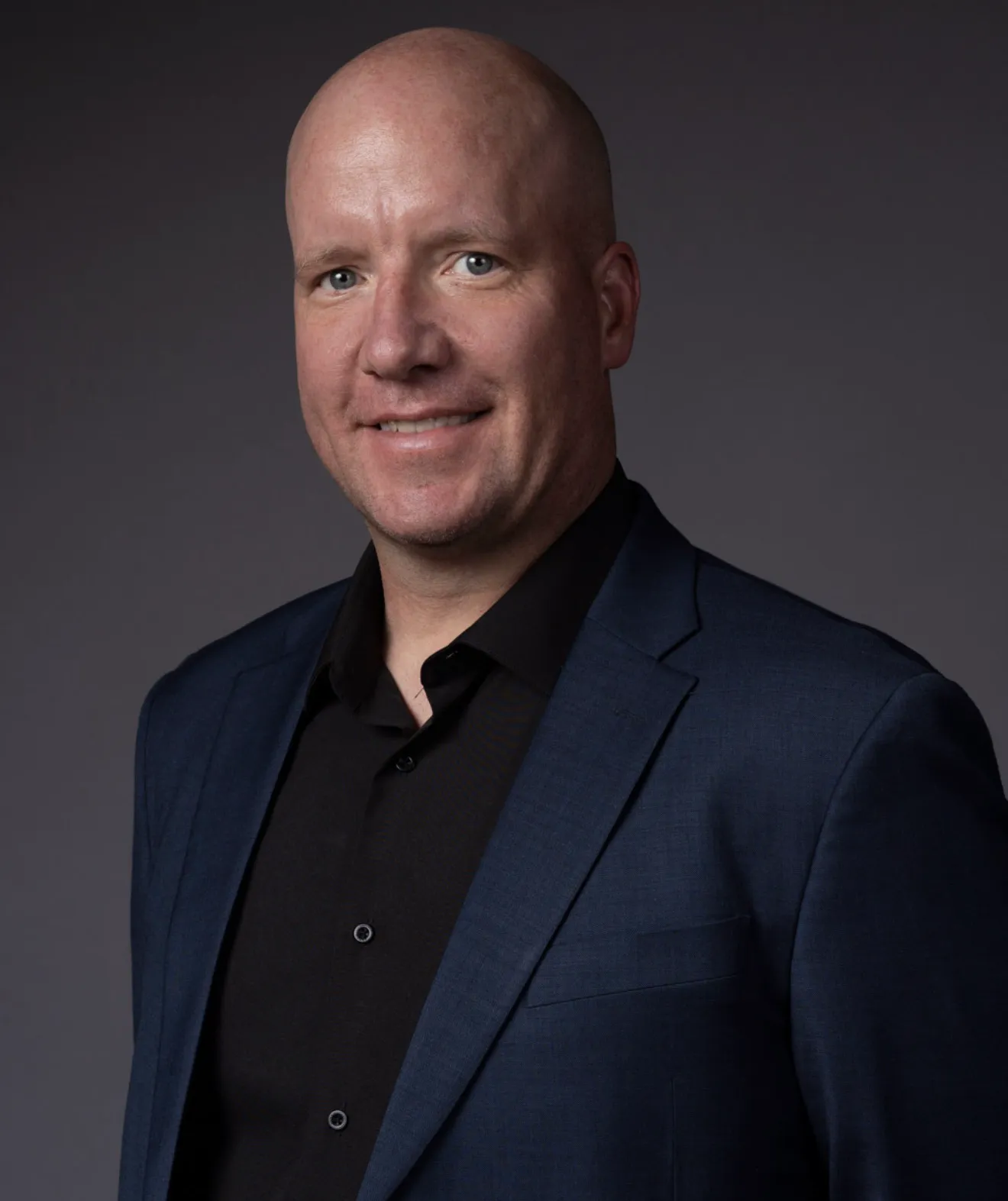
Chris Mendham began his military career as a Patient Administration Specialist, 68G. He spent years working with veterans’ and active-duty service members’ medical records and medical administration.
That foundation shaped the way he looks at medical evidence: the history needs to be complete, important details need to be findable, and the documentation needs to communicate clearly. A veteran’s experience and the record describing it should be understood together.
Chris went on to lead tank units and cavalry units. He also managed United States Army relationships with Thailand, Indonesia and Brunei.
Those responsibilities brought a different set of demands—coordinating people, communicating across organizations and following through on details that matter. At Claim Launchers by Stern HealthWorks, that experience informs a service built around clear information, organized records and an understandable next step.
Years in patient administration provide a practical foundation for understanding medical documentation, the importance of a complete history and the consequences of missing information.
Leadership in tank and cavalry units brings firsthand context for the demands of service and the importance of accurately documenting the individual veteran’s history.
The process should help a veteran understand what is documented, what needs clarification and what a licensed provider must evaluate.
Military leadership and international relationship work reinforce the importance of clear responsibilities, communication and follow-through.
A nexus letter explains a medical connection. A DBQ can document symptoms, clinical findings and functional impact. Knowing the difference helps veterans ask better questions and understand why a particular document may be useful.
Chris’s background supports the records and service-coordination side of that process. Licensed medical providers independently evaluate the evidence, make clinical decisions and sign their own opinions. Claim Launchers can help with nexus letters when the evidence supports the opinion, and may be able to help with DBQs in some cases.
The goal is clear, credible medical evidence grounded in the veteran’s actual records—not a promised rating or a predetermined medical conclusion.
How nexus letters work · Understand DBQ support · See our process
Explore DBQs to document symptoms and functional impact, physical telehealth evaluations to assess missing or outdated clinical documentation, and mental health evaluations for a current assessment and diagnosis when clinically warranted. Our own licensed providers independently assess what is appropriate.
A few quick answers help us understand what you need. Free to start. No obligation.
Get Started